
The Games That Proved Everybody Wrong in 2025
- Knux456

- Oct 23, 2025
- 3 min read
The Gamerhood HQ | Knux456

If there’s one thing gamers love more than a good story, it’s a good comeback.
Every year, there’s a handful of titles people doubt before they even drop — too similar, too ambitious, too late. And every year, one or two of those same games turn the whole conversation around.
2025? It’s been the year of redemption arcs and reality checks.
Ghost of Yōtei: The Silent Giant
When Ghost of Yōtei was announced, even the loyalists weren’t sure.
How do you follow up Ghost of Tsushima, one of the most beloved samurai games ever made? You don’t — unless you make peace with the pressure and outdo yourself in silence.
And that’s exactly what Sucker Punch did. The reviews hit, and Yōtei landed with an 87 Metacritic score, surpassing Tsushima’s 83. Sales came in strong too — “basically flat with Ghost of Tsushima” in U.S. week-one numbers. Translation: it stood toe-to-toe with a modern classic.
The secret? Maturity. Yōtei slowed everything down — the pacing, the dialogue, even the combat rhythm — and that stillness became its strength. The critics said it couldn’t surpass Tsushima’s legacy. The fans said otherwise.

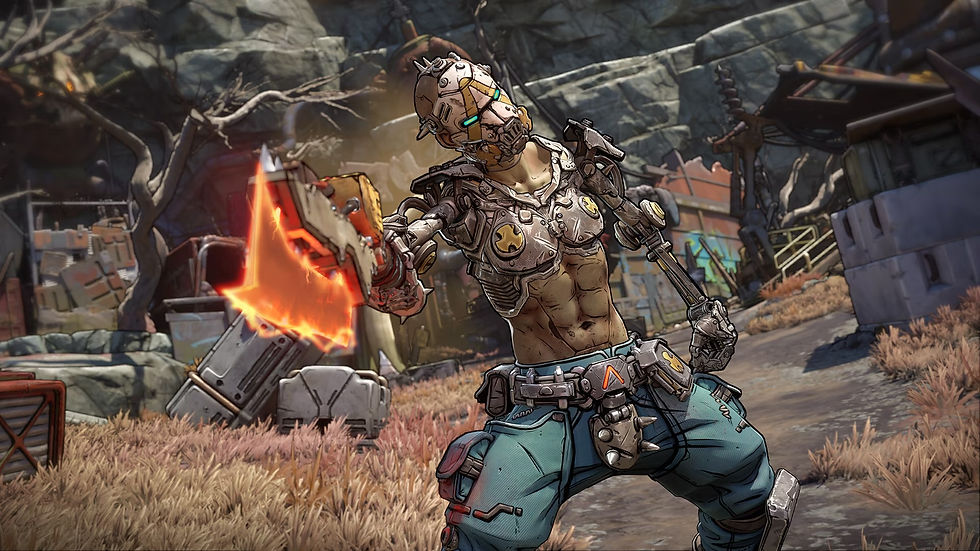
Borderlands 4: The Franchise That Refused to Fade
Borderlands has always been that loud friend you can’t ignore — chaotic, funny, self-aware. But when Borderlands 4 dropped, even longtime fans wondered if the formula had finally run dry.
Then came the numbers.
Record-breaking launch month. 30% higher sales than any Borderlands game before it. Over 200,000 peak concurrent players on Steam within 24 hours.
That’s not just a win — that’s dominance.
What changed? Gearbox stopped trying to reinvent and instead refined. The loot feels tighter. The builds matter more. The chaos got structure without losing its edge.
Even with mixed reviews on performance, the player energy spoke louder than the critics ever could. The message was clear: Borderlands didn’t need saving. It just needed belief.
Dragon’s Dogma 2: From Cult Classic to Cultural Moment
You can’t talk redemption without mentioning Dragon’s Dogma 2.
The first game lived as a cult favorite — loved by the few, slept on by the many. But this sequel? It became a movement.
Capcom bet on trust — no multiplayer gimmicks, no forced trends, just pure design. And when it hit, it hit hard.
Players who once shrugged at the name found themselves hooked on its layered systems, unpredictable world, and that trademark “one-more-quest” pull. It’s poetic — the game built for thinkers finally found its audience when everyone else slowed down enough to notice.

The Indie Wave: Small Studios, Big Moments
This year also proved you don’t need a billion-dollar publisher to win the crowd.
Titles like Animal Well, Pacific Drive, and Nine Sols reminded us what heart looks like in game form. These weren’t made to trend — they were made to matter.

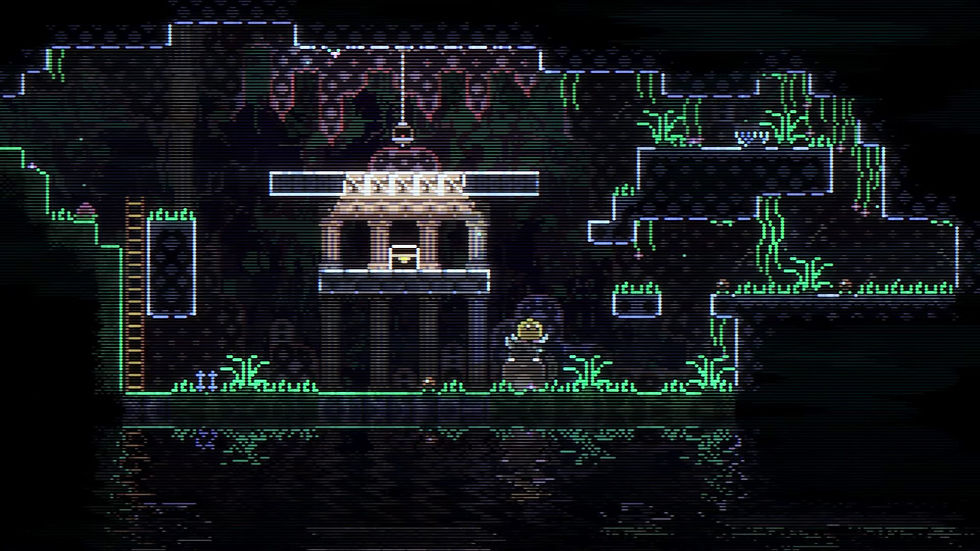


When the industry feels bloated, indie teams show up like creative adrenaline shots. They remind us that passion still cuts through noise, that gameplay loops still matter more than viral tweets, and that “independent” doesn’t mean “underdone.”


What 2025 Just Taught the Whole Industry
We’re watching a shift. The games that win now aren’t just the biggest — they’re the most intentional. They’re made by teams that understand players, not just markets. And they’re backed by communities that refuse to let hype die just because critics get cynical.
The lesson? You can’t predict greatness from trailers anymore. The magic still lives in the ones who build with something to prove. So the next time the timeline starts doubting a game before it drops, remember — it might just be next year’s headline for The Gamerhood.


Comments